


What I learned during Banned Books Week
Welcome to the first issue of Postcards & Paperbacks. This is where I’ll write about books, travel, and whatever I’m curious about. To start, here’s what I was curious about last week.
Banned Books Week ended yesterday. I spent it working on Love at First Pages, the app I built and launched, to see which classics had been banned or challenged. I stopped at 15.
📚 All 15 are free to read. Download them to your Kindle or Kobo in one tap.
I’d read nine of them for school without knowing anyone had tried to take them away.
1. “Banned” and “challenged” are different, and the difference matters
A ban means a book was actually removed. A challenge means someone tried. Most lists mix the two together. Once I started separating them, the history got more interesting. Some books were burned, some were quietly moved off open shelves, and some just had a parent or person of authority complain about them.
2. The censors are all over the map
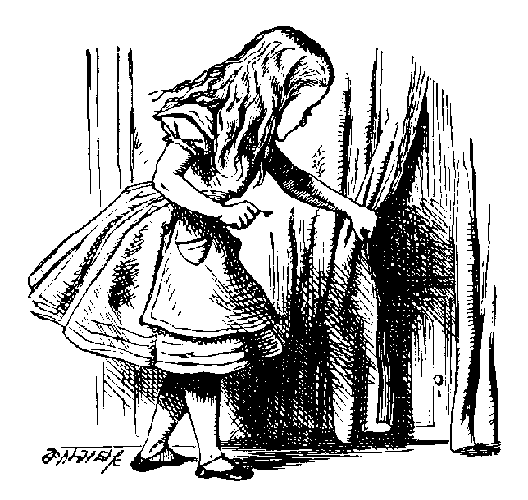
Pope Paul IV put Machiavelli on the Index of Forbidden Books in 1559. The U.S. Post Office burned copies of Ulysses. And in 1931, a governor in Hunan, China, banned Alice’s Adventures in Wonderland because “animals shouldn’t talk like people.” Censorship isn’t owned by any one era, country, or ideology.
3. A lot of famous “banned book” stories are shaky
You’ll read everywhere that Italy and Yugoslavia banned The Call of the Wild for being “too radical,” and that St. Louis banned The Awakening from Kate Chopin’s hometown library. I couldn’t confirm either one, and neither could some of my sources. It made me more careful about what I repeat, even when the story is a good one.
4. Some of the most effective censorship never looked like a ban
Theodore Dreiser’s Sister Carrie wasn’t outlawed. Its own publisher printed 1,008 copies, skipped the advertising, and sold 456, reportedly because one publisher’s wife thought it was too sordid. The Picture of Dorian Gray had about 500 words cut by a magazine editor without Oscar Wilde knowing. The uncensored text didn’t come out as a book until 2011. (It includes references to Dorian's mistresses, and other decadent themes that were previously toned down due to Victorian censorship.) Quiet edits and neglect can harm a book more effectively than a court order.
5. Book Bans tend to backfire
In 1960, a British prosecutor asked a jury whether Lady Chatterley’s Lover was a book they’d want their wife or servant to read. Penguin won the case and sold three million copies almost right away. Ulysses was let into the U.S. in 1933 after Random House took it to court. Telling people they can’t read something is a good way to get them to read it. (Particularly high school students, which is why I’m still surprised my teachers who assigned these books neglected to mention the bans!)
6. The objections show up once books become easy to read
Thomas Bowdler cut more than 10 percent of Shakespeare for his “Family Shakespeare” in 1818. Almost 200 years later, parents in South Carolina challenged an easy-read edition of Romeo and Juliet. The original had been taught for generations. It was the accessible version that caused trouble.
What I’m taking from all of this
Most of these books were judged before people actually read them, based on a reputation, a rumor, or one person’s discomfort. That’s the reason I built Love at First Pages.
You read a first page with no title, author, cover, or reputation attached, and decide whether it hooks you. Several of these banned classics are in there, and you may like one before you know what it is.
All 15 are free to read. Here’s the full list with links, including how to send them to your Kindle or Kobo.
Your turn: How many banned or challenged books did you read for school? Hit reply and tell me. I read every response.
See you next time,
Jess